
We usually think that food waste, and particularly prep waste, is created in the kitchen - on our prep tables. However, most of the prep waste is actually created in the chef’s office, where the menu is written.
Yes, you read that right.
The way we prepare ingredients on our prep tables and chopping boards is a reflection of the menu requirements. The way we will prepare our ingredients is decided at the moment when the new dish and new menu are put down on paper.
The number of components, the way they will be prepared, stored and served is decided when the menu is being created. The level of trimming is decided at that same moment.
So for example, the moment I am putting mashed potato on my menu is the same moment I know that there will be potato peels produced. The moment I am putting sliced watermelon on my breakfast buffet is the moment I know there will be watermelon rinds produced every single day.
It is at that point that I need to make a decision on how we will incorporate the watermelon rinds or potato peels into the menu or how we will use them somewhere else.
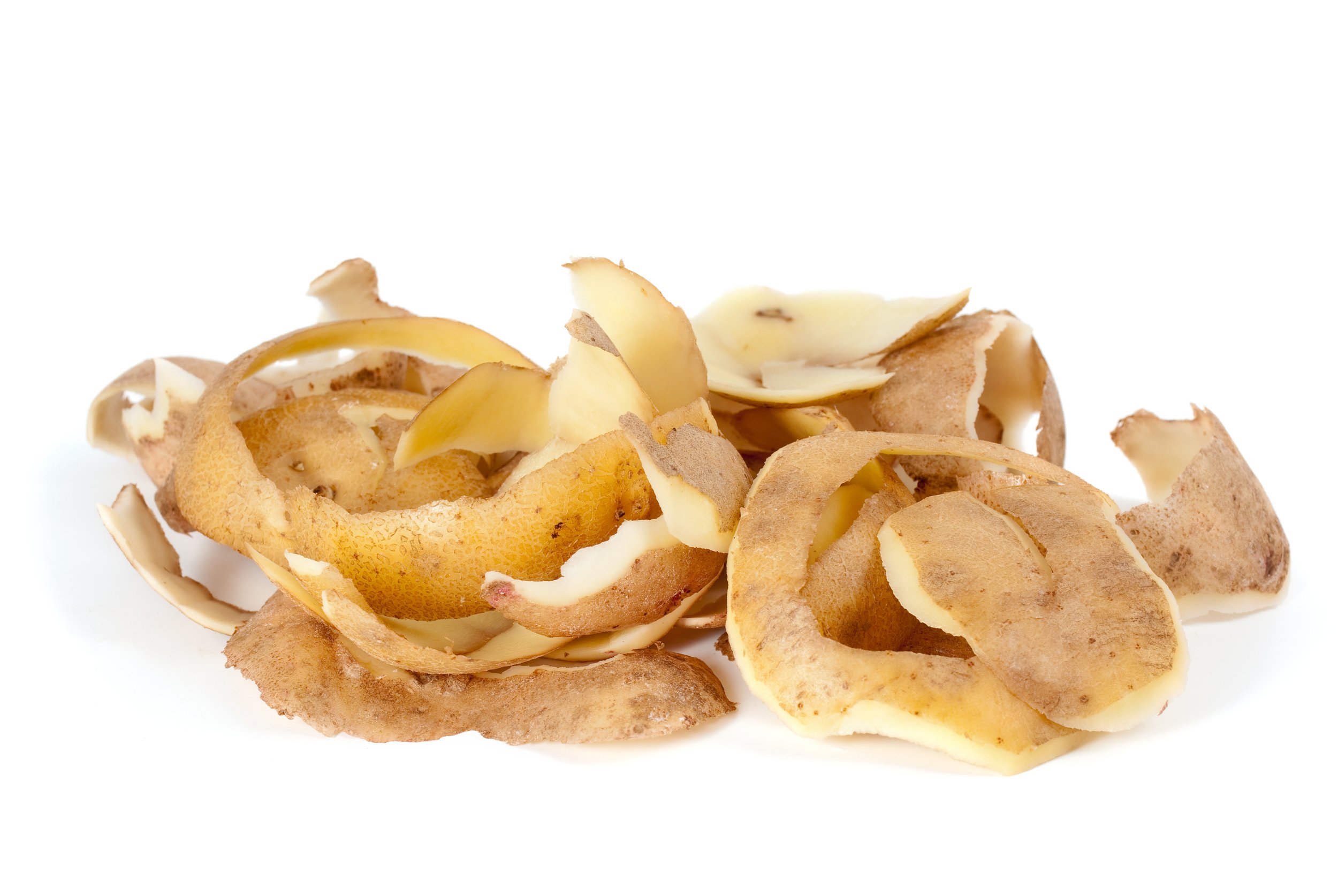
Potato peels are full of flavour, nutrition, and are easy to use.
Once the potato peels are on the prep table, it’s too late to think about them. If you try to reduce your food waste as you go, in a spontaneous way, you will not only need more time to do that, but you will also need to figure out what you will do with the new product you will create.
And this doesn’t work. If you don’t know how you will use your new products, there is no point in making them. You have to think one step ahead. Eliminate the food waste by design.
Plan for the byproducts and plan for the potential waste as you are writing your new menu. Think about all the possible byproducts that will be created as you write your menu, and think about ways how you can use them.
To clarify: when I say ‘menu’, I don’t only mean an à la carte menu. A menu is essentially every food offer that you have, whether it’s a breakfast buffet, banquet or food at an event. It’s also a tasting menu and set menus, or the food in self-service canteens. Every food offer you have is a ‘menu’.
The menu development process is the single best time to incorporate food waste prevention into your operation. It’s the only time you can systemise the process and make it the default option - which is the ultimate solution to the food waste issue.
How much of each ingredient and which parts of it will be used is decided when we plan for our new menu and new dishes. Make sure you plan for your byproducts and eliminate them during the menu development process, and not after.