
There are many ways to reduce food waste in commercial kitchens, but there is one thing that is easier than anything else:
Refresh your chefs in knife skills. This seemingly small thing will save you a lot of money.
There is a 99% chance that there is more trimming from your fruit, veg, meat and fish than there needs to be.
This might seem like a minor change, but it has a big impact if you process large amounts of ingredients on a daily basis. That extra 1cm of cucumber trim might cost you more than you think over a year - on a single product.
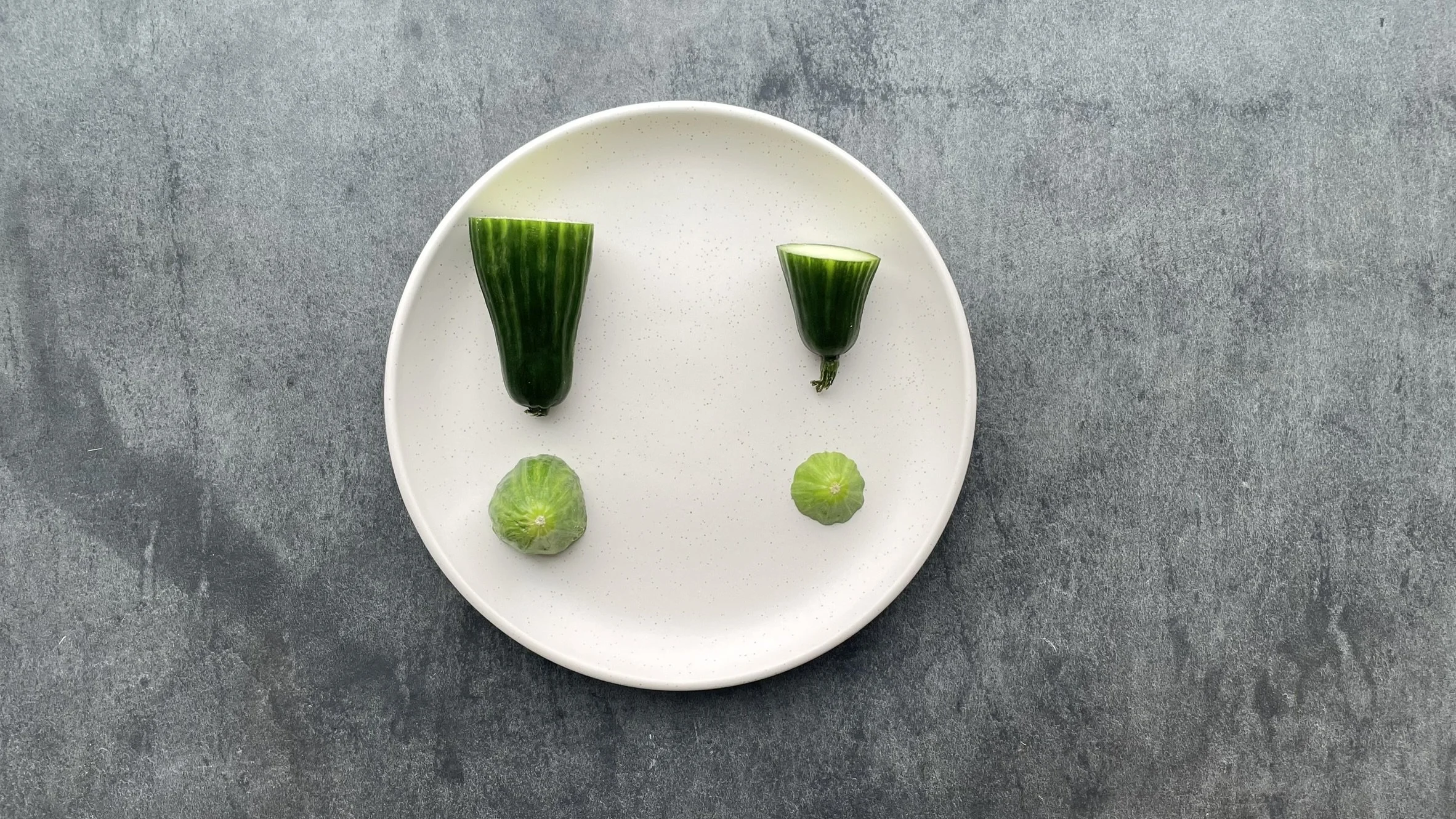
Big difference in cucumber trimming if you process 100kg of cucumbers.
The best thing is that refreshing the knife skills and reviewing the way products are cut and trimmed does not require any financial investment. It can be done today or tomorrow.
It does not require a menu update or menu change. It does not require strategic planning. It does not require operational change or new recipe development.
This step is readily available. You can literally do it today.
Look at every product that goes on the chopping board in the kitchen, and ask yourself:
What is the truly essential level of trimming on each product?
Do we need to trim off 2cm from each side of the zucchini, or can we just trim off the very tiny bit?
How do we cut our bell peppers, and how much of it goes in the bin?
What is the level of trimmings on each product we have in your kitchen and why?
Bring your chefs together for 15 minutes and show them how to cut and trim each product they are working with. Show them how to trim the cucumbers correctly, how to cut the bell peppers or how to trim leeks, and what the expected yield is from each product.
Focus on the 10-20 most common ingredients you are working with. Reducing the actual amount of trimming has an immediate impact on the amount of food waste, and it does not require any upcycling or creativity.
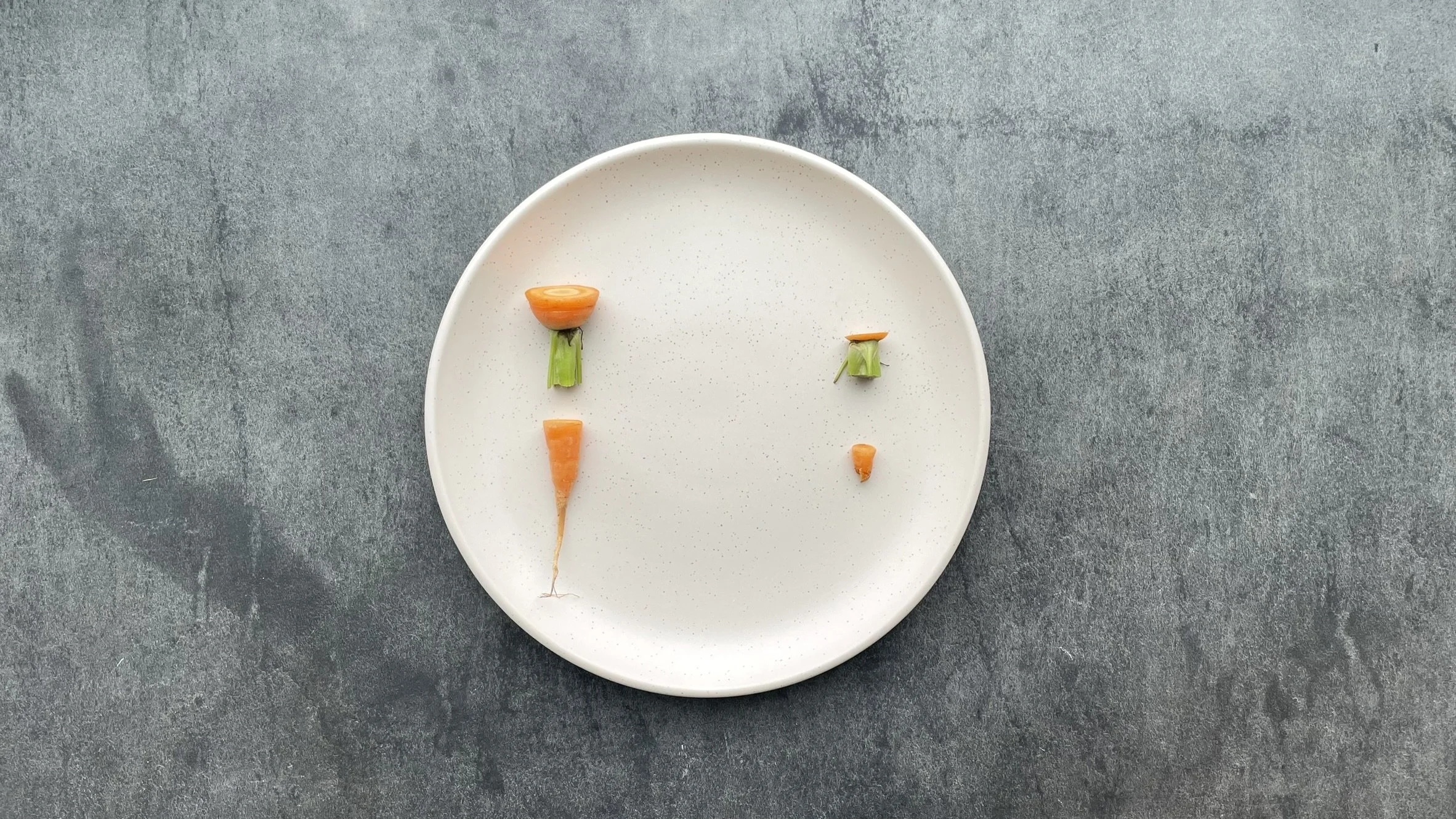
Small changes like this can have a big impact.
Once you have refreshed the knife skills of your chefs, you will want to make sure that you have new yield standards. Create a new standard for a yield on each product. It’s important to create new standards around how you work with every ingredient. Make sure everyone in your kitchen knows how to limit the amount of trimmings on every product.
Many ingredients can have 95% yield or more. The most common ingredients that are unreasonably trimmed are bell peppers, cucumbers, zucchini, aubergine, carrots and leeks.
Make sure your chefs understand the correct technique to cut the bell peppers.
Cucumbers need minimal trimming, and remember that every centimetre will make a difference if you use a lot of cucumbers in a year. The same goes for the zucchini, where only the tiny bit and the end need to be removed, and the top part can be used somewhere else. There is no need to trim off 2cm from each side.

You can save a lot of money by minimizing lettuce trimming.
With aubergines, you only need to remove their leaves as they are not edible, but there is no need to trim off more than 0,5 cm from the top.
Leek tops are full of flavour, and as long as they are nice and green, you can use them together with the white part of the leek. Make sure they are well washed, as there can be soil. And for the root part, once again, every bit matters as you are likely using more than one leek, so a bit of extra trimming will quickly add up in costs.
Whatever ingredients you use, make sure you maximise the yield of each product and set a new standard of expected yield. This simple step can save you more money than you think, without even doing any upcycling.