
Stop reducing your food waste and start preventing it. This one shift will change the way you think.
What is the difference between reducing food waste and preventing food waste?
Reduction means reducing something that has already been created. Reduction is trying to eliminate a problem AFTER it’s created. You try to reduce something that you already have, or already do.
On the other hand, prevention means reducing something that is not yet created. Prevention is eliminating a problem BEFORE it’s created. You try to prevent something that is about to happen or about to be created.
Reducing food waste only after it’s created is not sustainable in the long term. We have to stop creating food waste at one point. We have to start preventing it.
When we are reducing our food waste, we look at food waste that is already in our kitchen and try to turn it into a new product, or do something else with it. The problem with this approach is that it will always require extra time from chefs.
It’s too late to think about upcycling a product when the product is already on your chopping board or on your table. If you approach food waste as it comes and when it comes, extra work will be needed, and the whole operation will be inefficient.
Spontaneous food waste reduction doesn’t work.
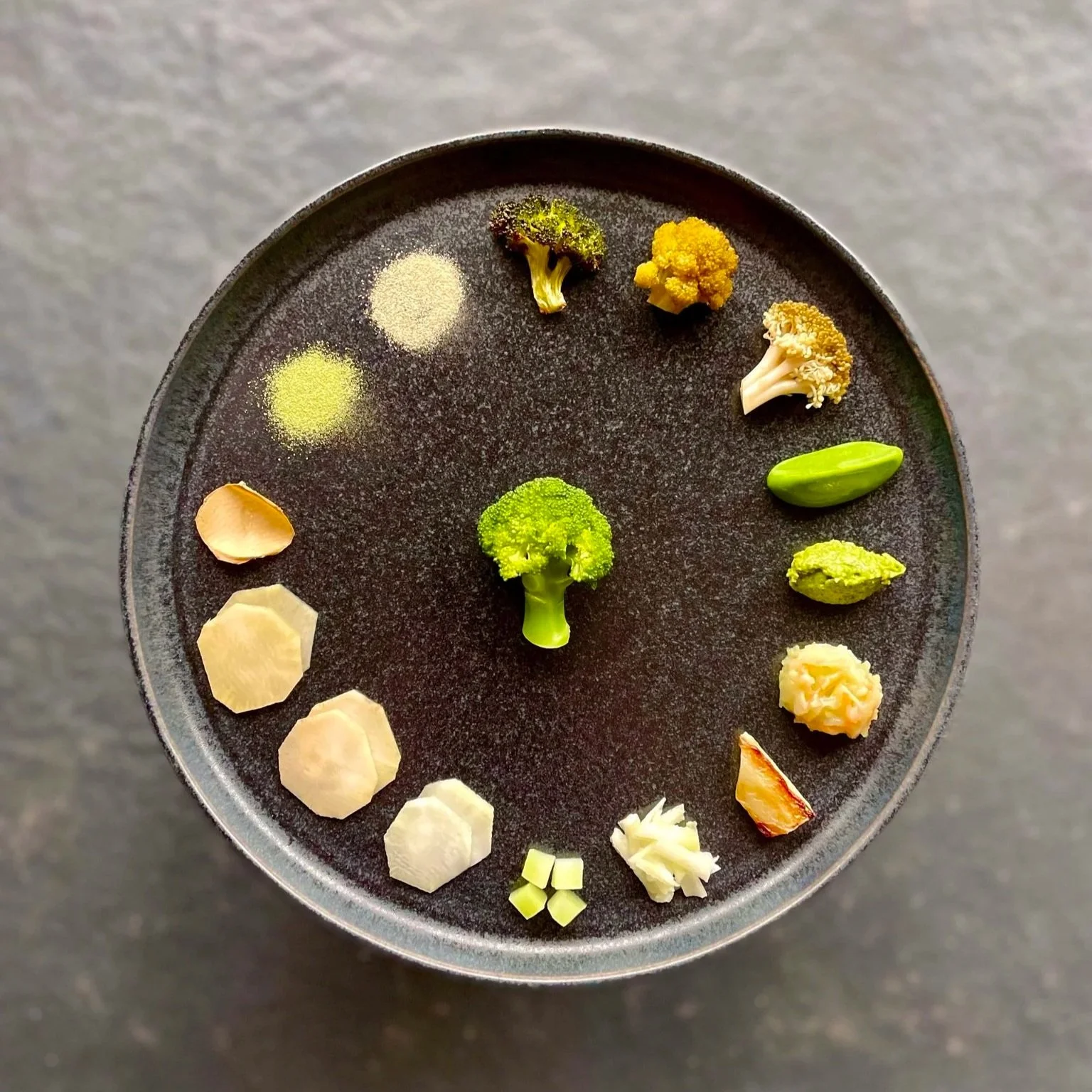
There are many things you can do with a broccoli stalk, as long as you plan for it.
If you focus on preventing food waste BEFORE the waste is created, you don’t spend extra time upcycling a byproduct. The only time you will need to think about all the potential byproducts is when you are writing new dishes or a new menu. And you only need to do that once.
The worst thing about this is that if you don’t have a plan for your byproducts and you don’t know how you will use them, then there is a chance that they will eventually end up in the bin, creating even more waste.
If that new product does not have a place on the menu where it can be monetised, you will most likely never see any ROI on your effort. Every new upcycled product must be sold or monetised in some way, just like everything else you prepare in your kitchen.
The only way you can achieve this is by planning one step ahead and knowing what exactly is going to happen with that byproduct before it’s even on your chopping board.
Prevention is the solution to every problem. But prevention does not happen without planning. You have to think BEFORE you do something, not after.
Food waste prevention is all about thinking one step ahead. We can reduce most of our food waste by a simple shift in thinking.
Stop focusing on reduction, and start focusing on prevention.