
This is why you should take zero-waste dishes off your menu
“We’ve put zero-waste dishes on our menu, but they didn’t sell well.”
I’ve heard this countless times. And I am not surprised. You shouldn’t have zero-waste dishes on your menu. All you should have are delicious meals. Let me explain.
Just because you upcycle a few ingredients in your dishes, there is no need to create a special category on the menu labelled as ‘zero-waste dishes’. More often than not, this will backfire.
Guests don’t like the idea of eating ‘leftovers and byproducts’ and things that they are not used to eating.
It will take some time until the public’s perception of zero-waste cooking will change. Unfortunately, we are not there yet.
Words like waste, byproducts or leftovers should never be mentioned in the dining room or at the table.
The words we use make a huge difference in perception, and we don’t have to label everything as zero-waste or upcycled. Our enthusiasm isn’t always shared by our guests.
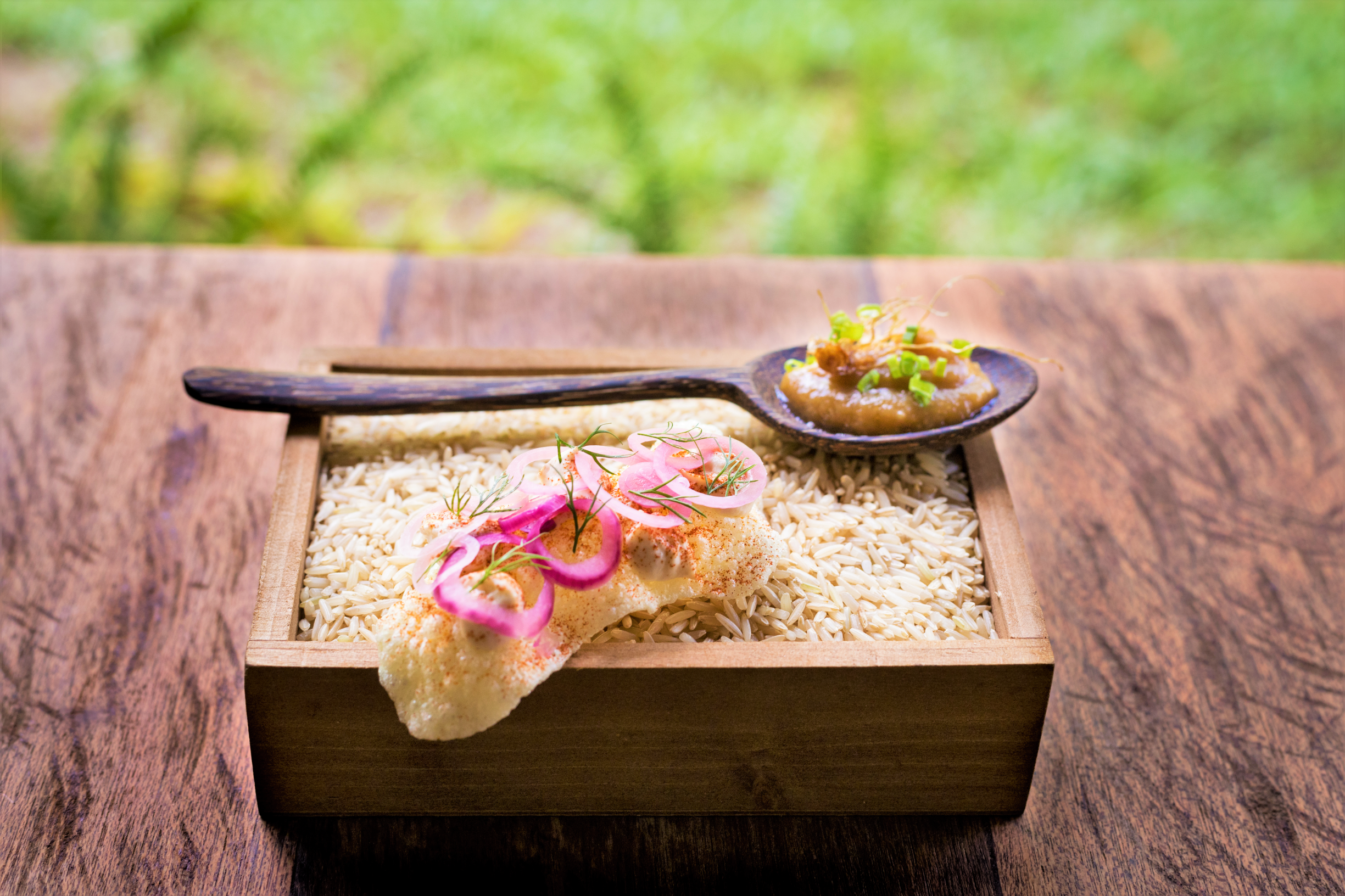
These are not zero-waste amuse bouche. They are simply… amuse bouche.
So when it comes to naming your dishes, skipping the unusual ingredient is often the best approach.
For example:
If you make a banana bread with banana peels, don’t call it banana skin bread, but simply banana bread.
If you make a jam from watermelon rinds, you can simply call it watermelon jam, instead of watermelon rind jam.
If you make fritters from some of your trimmings, it’s better to call them vegetable fritters rather than upcycled zero-waste fritters.
I’ve seen people being horrified when I suggested eating banana peels or watermelon rind.
That doesn’t mean we should be tricking them into eating something they don’t want to eat, or being sneaky and secretly feeding them ‘waste’. We don’t feed anyone anything we wouldn’t eat ourselves, and edible food is not waste until we decide to waste it.
The focus is always on flavour above everything else. If the food isn’t delicious, it doesn’t matter if it’s zero-waste or not.
There will be differences in perception based on the region you are in, but just because we cook zero-waste, it doesn’t mean everything has to be called zero-waste.
After all, in the ideal world, zero-waste cooking should be a standard in our industry, so there will be no need to highlight the fact if everyone else is cooking zero-waste too.
And if the guests ask? The best thing you can do is to simply say that you are maximising the use of every product and have systems in place to avoid wastage.
No zero-waste dishes. Only delicious food.